

Mood
Mood in bipolar disorder
Mood refers to temporary states of mind or feeling that can last for hours or days.
Moods don’t always have a clear or identifiable cause — sometimes you simply feel a certain way without knowing why.
Moods are different from emotions.
Emotions usually have a specific trigger (for example, “I feel excited about…”), are shorter in duration (seconds or minutes), and tend to be more intense than moods¹.
An emotion can influence your mood.
For example: “My sister graduated today and I felt so proud that my mood stayed uplifted for the rest of the day.”
When living with bipolar disorder, extreme mood states — at their most severe — can lead to hospitalization, difficulties with employers and loved ones, and in some cases, encounters with the police.
Even during recovery, milder but persistent mood changes can still significantly affect quality of life.
The extreme mood states that can cause problems in bipolar disorder are:
Depression
A low mood marked by reduced motivation, sadness, or emotional flatness.
It may involve changes in sleep, energy, and concentration, along with feelings of guilt or worthlessness.
In severe cases, depression can include unrealistic beliefs or distorted perceptions.
A depressive mood state lasts at least two weeks and is severe enough to significantly interfere with daily functioning.
Mania
A persistently elevated or irritable mood accompanied by increased energy and activity.
It may involve inflated self-esteem, racing thoughts, distractibility, reduced need for sleep, and risky behaviors related to money, sex, or decision-making.
Unrealistic beliefs and altered perceptions may occur.
A manic episode lasts at least one week and significantly disrupts normal functioning.
Hypomania
Often described as “mania-lite.”
It includes the symptoms of mania, but without causing marked impairment in daily functioning.
Staying well with bipolar disorder involves ongoing mood adjustment through small lifestyle changes, as well as monitoring triggers and early warning signs of mood episodes.
Many people find stability by aiming for a “happy medium” — experiencing normal emotional ups and downs without excessive stress, anxiety, or slipping into extreme mood states.
People with bipolar disorder often wonder how to tell the difference between normal mood changes and early signs of a problem.
One helpful approach is to ask whether your mood is changeable.
If you’re feeling flat, try doing something you usually enjoy (for example, watching a favorite TV show).
If your mood lifts, that’s reassuring.
If it stays low or flat, it may be a sign that additional support is needed.
Likewise, if you’re feeling unusually happy or energized, try reducing stimulation — sit quietly, read, or take a short break.
If the elevated feeling persists or concentration becomes difficult, your mood may need attention.
Even outside of depressive or hypomanic/manic episodes, many people with bipolar disorder experience ongoing low mood (sadness) and anxiety²˒³.
The good news is that the same strategies that support wellbeing in the general population can also help people with bipolar disorder.
Many of these are explored throughout the Bipolar Wellness Centre, including areas that strongly influence mood such as Sleep, Physical Health, and Relationships.
Here, we focus on strategies to:
lift low mood
reduce anxiety and stress
respond early to signs of a mood episode
How you can take action
People who manage bipolar disorder effectively often use specific, intentional strategies to regulate mood.
Some of the most important foundations involve calming the nervous system and managing stress.
Many people find it essential to have a daily relaxation technique⁴.
There is an important distinction between:
activities that happen to be relaxing (like watching TV or cooking), and
active relaxation, where relaxation is the primary goal
Active relaxation strategies may include:
meditation
yoga
mindfulness-based practices
If you don’t yet have an active relaxation practice, it may be worth exploring one.
Other stress-management strategies include:
identifying personal triggers for distress
developing assertiveness skills (such as saying no without guilt or expressing disagreement respectfully⁵)
improving problem-solving skills
If these approaches feel unfamiliar, learning them through a course or with a counselor or therapist can be very helpful.
Examples of calming strategies commonly reported by people with bipolar disorder and healthcare providers⁴ include:
Allowing time for relaxing activities
Spending time in quiet environments
Avoiding over-scheduling social events
Limiting the number of projects taken on at once
Staying organized
Letting go of perfectionism
Setting realistic expectations
Taking care of basic needs first
These strategies are most effective when used consistently, not only during times of worsening mood.
Building strong coping skills reduces the risk of future depressive or hypomanic/manic episodes.
Still, it remains important to monitor for signs of more serious mood changes.
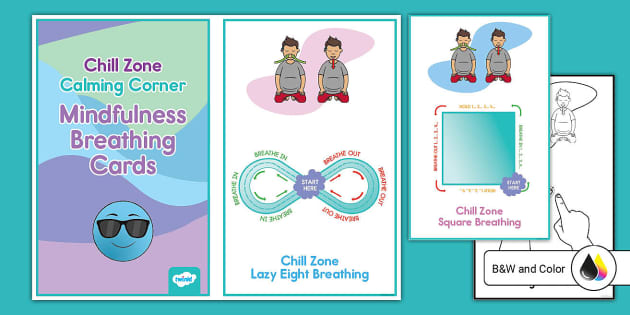
There are three key steps to minimising mood episodes
First: monitor your mood daily
Mood monitoring can take many forms.
You may already use tools such as the Life Chart, or you may prefer creating a personal scale — for example:
depressed → manic
dark → light
flat → excited
Choose language that feels meaningful to you.
There are also free mood-tracking apps and websites available.
However, not all apps are created equal. Research shows that fewer than one-quarter of bipolar-specific apps include privacy policies, and many lack options to track sleep and medication⁶ — both critical for mood stability.
Trusted government, research, and peer-led resources can help guide safe app selection (see Mood Resources).
For some people, mood monitoring can raise difficult feelings about identity⁷ or increase rumination⁸.
If this happens, discussing it with a therapist can help you find ways to monitor mood without distress.
Tracking quality of life alongside mood may also help highlight positive aspects of daily living⁹.
Secondly: watch for your triggers
Life stress is a well-established trigger for mood episodes in bipolar disorder¹⁰.
Common triggers include¹¹:
Seasonal changes
Increased depression in darker months, and hypomania or mania in spring or summerSleep changes
Reduced sleep may trigger hypomania or mania; increased sleep can signal depressionWork-related changes
Both positive and negative events can affect moodRelationship stress
Conflict increases emotional strain for everyonePregnancy and childbirth
Significant biological and social changes can trigger episodes in mothers — and sometimes partners¹²˒¹³Grief and loss
Loss can overwhelm coping resources and lead to mood episodesDrugs and alcohol
Substance use and mood symptoms often reinforce one another
Third: respond early to warning signs
Early signs of depression may include:
low energy
fatigue
difficulty concentrating
intrusive negative thoughts
withdrawal
irritability
changes in sleep
sadness or tearfulness
anxiety or guilt
Early signs of hypomania or mania may include:
elevated mood
racing thoughts
heightened senses
increased creativity
irritability
increased sexual interest
reduced sleep
inflated self-importance
excessive planning
Early response increases resilience.
Your mood is not who you are — it is a temporary state¹⁵.
Mania / Hypomania
Helpful strategies include reducing stimulation, slowing down, limiting reward-seeking behaviors, and moderating emotional expression.
Questioning your thoughts before acting can be especially useful¹⁶˒¹⁷˒¹⁸.
Helpful questions include:
Is this how I would normally act or dress in this situation?
How might others respond to what I’m about to say or do?
What’s the harm in slowing down today?
Impulsivity — the urge to act quickly — is common¹⁹.
At these moments, try pausing for 30 minutes before acting.
List pros and cons, reflect on past consequences, or check in with someone you trust.
Depression
Thought patterns and behavior can influence whether low mood deepens into a depressive episode¹¹.
Common thought patterns include:
All-or-nothing thinking
Catastrophizing or fortune-telling
Mind reading
Overgeneralizing
Learning to recognize and challenge these thoughts is a key first step.
Take Action
How you can take action:
Regularly monitor mood
Identify personal triggers
Watch for early warning signs
Create a plan while well
Have a plan for episodes
Finally, it’s important to have a written plan for serious mood episodes²⁴˒²⁵.
Decide:
what actions to take
who to contact
what support you may need
Examples include:
asking a partner to manage finances during mania
asking a friend to check in if communication stops
arranging backup childcare
Always confirm consent with those involved, and provide authorization where required.
You may also want to give trusted people permission to tell you when they notice changes — and explain how you’d prefer to hear it.

Gallery


FAQS
What if I’m not officially diagnosed as bipolar — will this still help me?
Absolutely. The BIPOFACE method was designed for both people with a confirmed diagnosis and those who suspect mood instability or want to better understand their emotional patterns.
It’s also deeply supportive for caregivers who want to learn how to bring calm, understanding, and structure into their loved one’s life.
I’ve tried therapy and medication — how is this different?
Therapy and medication are crucial foundations.
BIPOFACE complements them by giving you daily practical tools — emotional resets, structure planning, and mindset tracking — that you can use every day at home to reinforce what you learn in therapy and stabilize between appointments.
I’m a caregiver — will this help me understand my loved one better?
Absolutely. That’s why I included the Caregiver’s Compass Bonus, a full guide to understanding mood cycles, communication do’s and don’ts, and how to support without burnout.
TESTIMONIAL & REVIEWS
OUR Customer FEEDBACK
★ ★ ★ ★★
“The 7-Day BIPOFACE Program helped us both. It gave my partner practical tools to calm emotional waves, and it helped me understand what really supports stability instead of adding pressure.”
— Olena
Bipoface is a quiet space created for balance, clarity, and stability.
A place where understanding grows gently, where awareness unfolds over time, and where progress is made one step at a time. Life with bipolar disorder moves in seasons — moments of light, moments of heaviness — and Bipoface exists to help you navigate each phase with steadiness and self-respect.
Here, nothing is rushed. Growth is not forced. Healing is not demanded.
Instead, Bipoface offers guidance that meets you where you are, helping you recognize your patterns, understand your mood shifts, and build stability through small, meaningful actions. This is not about control — it is about awareness, choice, and compassion toward yourself.
Like learning to read the signs of the sky before a change in weather, Bipoface helps you notice early signals, adjust your course, and protect what matters most: your health, your relationships, and your quality of life. Through structure, reflection, and gentle tools, you are supported in finding a rhythm that allows you to feel deeply without being overwhelmed.
Bipoface is built on the belief that your mood does not define who you are.
It is something you experience — not something you are. With patience, understanding, and the right support, stability becomes possible, confidence grows, and life begins to feel more navigable, more grounded, and more your own.
Copyright BIPOFACE 2026 . All rights reserved


