

Physical
Why physical health is important to your quality of life
You may have noticed that your physical health can affect your mental health; this shows how your mind and body are connected. Taking good care of your physical wellbeing can be a great way to protect your mental wellbeing, particularly if you are living with bipolar disorder, which can put extra demands on your mental health. By exploring the recommendations below, you can create a personalized physical health plan for this important area of wellness.
In this section, we’ll go through some helpful ways to improve your physical quality of life. These include: maintaining regular physical exercise (including how exercise affects other health conditions); eating a well-balanced diet, and decreasing substance misuse (the use of alcohol, smoking and recreational drugs that leads a person to experience problems or dependence).
Quality of Life Areas
In This Section
Exercise
Why exercise is important to your quality of life
Getting enough regular physical exercise is important for everyone’s health. But it’s especially important for people living with bipolar disorder, as the condition itself (and often the medications used to treat it) may affect physical health. For example, people with bipolar disorder have a higher risk of cardiovascular disease1. As well, some of the medications commonly used to manage bipolar disorder have side-effects that may increase your risk for metabolic syndrome, a group of risk factors including abdominal obesity and high blood sugar, blood lipids, blood pressure and cholesterol that can lead to type II diabetes and cardiovascular disease2.
Broadly speaking, physical activity improves cardiovascular health and can help you maintain a healthy weight.
Key Messages
What to know about exercise:
Bipolar disorder is associated with physical health challenges, such as cardiovascular problems
Regular exercise can help counteract some of the health problems that can come with bipolar disorder
Regular exercise improves weight, cardiovascular health and mental health, especially depressed mood
Exercise and depression
For people living with depression, regular exercise has also been shown to improve cardiovascular fitness, mood, and physical and psychological quality of life3,4,5. Studies that have followed individuals over many years show that low levels of physical activity increase one’s risk of developing depression6,7 and links to more severe depression symptoms8. Physical activity has been associated with less suicidal thoughts in many studies9. As a result, regular physical activity is recommended as an important part of treatment for depressive disorders10,11,12.
Specifically for bipolar disorder, a review of the research linked higher levels of physical activity with less depressed symptoms, better quality of life, and increased functioning13. One study followed people living with bipolar disorder for 18 months and linked physical activity with a better prognosis, fewer mood episodes and hospitalizations, lower levels of anxiety, less insomnia, and better functioning in all areas measured (autonomy, work, cognitive function, managing finances, relationships and leisure)14.
Strong evidence exists to support exercise for the management of clinical depression15,16,17. Because of this, depression is the only mental illness in which exercise is recommended as an evidence-based treatment. Exercise is recommended as a stand-alone treatment for mild-moderate depression, and in combination with other treatments (such as medication or talk therapy) for moderate-severe depression10.
If you want to use exercise as a treatment for depression, one recommended ‘dose’ based on existing evidence is 30 minutes, 2-3 times a week, moderate intensity (e.g. walking as if late for a meeting) for a minimum of 9 weeks and supervised (done with an exercise professional or instructor) if possible. If using exercise or physical activity for general health benefits (unless advised otherwise), try to work up to a total of 150 minutes of moderate intensity aerobic exercise per week (e.g., walking, jogging, cycling, swimming); with 2 sessions of muscle strengthening exercises (e.g., lifting weights).
These physical activity guidelines are recommendations. Considerations should be taken for your current activity and fitness levels. These guidelines can also be goals to work up to. The best ‘dose’ of exercise is the one you can stick to. Any movement is better than none, find physical activity you enjoy and will continue to do.
Exercise and bipolar disorder
No guidelines exist in Canada for exercise in treating bipolar disorder, as less is understood about how it can be used to manage mood. However, people living with mental illness including bipolar disorder are at a higher risk for developing health conditions such as diabetes and heart disease and life expectancy may be lower in people with bipolar disorder than in the general population18. Exercise can counter-act these risks19,20. Because of this, exercise is acknowledged as important for general health benefits in managing bipolar disorder21.
While this research on the benefits of exercise is exciting in theory, most people struggle with putting it into practice. Having a sedentary or physically inactive lifestyle is common in people living with bipolar disorder13. This may be explained by the “inactivity trap”—how depression worsens inactivity and inactivity worsens depression22. The symptoms of depression itself—such as fatigue, poor motivation and self-esteem, and negative thinking—make getting out to exercise extremely difficult23,24. Medication side-effects, such as sedation and weight gain, can also be barriers to exercise5.
The limited research on physical activity and mania suggest a different picture. While exercise can improve symptoms of depression (while depression makes it harder to exercise), in some people, exercise may potentially exacerbate symptoms of mania (while mania can make you more motivated and driven to exercise)26,27.
How you can take action
One of the major obstacles for people living with mood disorders is that mood symptoms often miscue your actual needs for activity. So when you are experiencing manic or hypomanic symptoms, you feel like excessively exercising or activating, even though this may push you higher. And when you’re depressed, you feel like being inactive, even though this makes depression worse. Research has shown that during a manic or hypomanic phase people with bipolar disorder are likely to set exercise goals that are too high and unsustainable (e.g., “work out for two hours every day”) and during depressive phases, people set very low goals (e.g., “walk to refrigerator for snack”)26. A behavioural approach to this problem is ‘opposite action’—that is, when your mood symptoms are miscuing you to do unhelpful behaviors that only make symptoms worse, practice doing the opposite (e.g. when depression symptoms make you want to stay in bed, schedule in activity even though you don’t feel like it; or when manic symptoms push you to want to be active for hours, set limits and instead schedule in rest periods, even when it doesn’t feel like you need them).
The first step to adding more physical activity into your life is to create a fitness plan that works for you. It’s important to find activities that you enjoy to help make physical activity something you look forward to, rather than a chore. Think of other ways you can make this new habit rewarding, such as having social support or creating an environment that encourages exercise (such as giving yourself a reward when you exercise or getting a positive response from others). Exercising outdoors, in nature or green spaces may be particularly beneficial8.
Another important aspect of increasing your level of physical exercise is to set goals that are realistic so they can be achieved. It doesn’t help to set the bar too high, like people sometimes do when making New Year’s resolutions. If you set your goals too high, you likely won’t be able to continue exercising at this level for more than a few weeks and then you may feel discouraged, or even injure yourself. You are likely to be more successful if you set a small exercise goal and then, once it feels like something you can keep doing regularly, gradually increase it until you reach a healthy exercise level.
New behaviours are a lot easier to stick with once a routine has been established. For example, you are much more likely to walk every morning if you have the routine of walking with a friend at the same time every day, so it becomes as much of a habit as brushing your teeth. Routine can also be important when mood symptoms are miscuing your desire to exercise. If a routine is set, it can be helpful to stick to it regardless of how your mood symptoms make you feel. Exercise can also help structure your day, which can help regulate mood27,29.
It’s important to look at each of the things that may prevent you from starting and maintaining your fitness routine and see if you can problem-solve around each one. If motivation seems to be the problem, it can be helpful to write out a pros and cons list of exercising versus remaining inactive. Also, it can be helpful to challenge negative thinking patterns related to starting a new routine (e.g., all-or-nothing thinking, such as, “Since I missed my walk today, I might as well give up as I will never be able to become physically active”).
Remember, it’s important to check in with your healthcare provider to ensure that it’s safe to go ahead with a new exercise plan before you begin. You could bring the exercise and depression toolkit (www.exerciseanddepression.ca) as a starting point for discussing a plan to exercise more.
Take Action
How to take action:
Find enjoyable exercise activities
Make exercise rewarding
Set SMART (specific, measureable, acceptable, realistic and truthful) exercise goals
Quality of Life Areas
In This Section
Diet and Nutrition
Why diet and nutrition are important to your quality of life
Healthy eating habits are important to staying physically healthy and well. Like everyone else, people with bipolar disorder can feel better if they eat a healthy, well-balanced diet–but research shows this is often a challenge when living with the condition1. Research has shown that some nutrients may work with regular medication treatment to produce better health in people with bipolar disorder. A few nutritional supplements (pills or liquids that you can take when you are not getting enough of a particular nutrient in your diet, like omega-3 fatty acids) may help the symptoms of bipolar disorder2 – but more research is needed before we can be sure3,4. For example, while many research studies show that omega-3 fatty acids are good for physical health, we are still learning how they may also boost how your brain develops and works5.
Key Messages
What to know about diet & nutrition:
Bipolar disorder associated with physical health challenges, such as weight gain due to medications
Healthy diet can help counteract some of the health problems that can come with bipolar disorder
Certain nutrients, such as omega-3 fatty acids, may help bipolar disorder symptoms
Bipolar disorder, particularly bipolar disorder II, is associated with a higher rate of eating disorders and eating disorder symptoms
How you can take action
It’s important to eat well, although, in reality, it’s easier to plan a wide-ranging improvement of your diet than to actually do it. As with physical exercise, it’s best to begin with a modest goal and gradually raise it. Set goals that are specific and achievable. You should try to be clear about what you intend to do and aim for manageable changes. For example, if you are trying to eat healthier in general, try starting with reading the food guide, including the importance of serving sizes, eating a varied and balanced diet, and including a variety of healthy oils, vitamins and minerals. Tracking your daily food intake with a food diary (on paper or online) can also be helpful, although this may not be suitable if you also live with an eating disorder6.
Problem-solve around obstacles to maintaining a healthy diet. For example, you may find it useful to think of solutions to the possible problem of emotional eating (eating because of how you feel emotionally rather than when you feel hungry) and how some moods lead you to eat while others don’t.
There are specific challenges for those who live with bipolar disorder when it comes to eating well. Two important things that dieticians may note for people with bipolar disorder are:
Not eating at all can make a mood episode more severe. You may want to buy special snacks that you can try to eat when you feel a mood episode is being triggered.
Be very cautious about supplements and holistic treatments that suggest they may enable you to stop taking your medications for bipolar disorder. You should discuss any new diet or supplement with your health practitioner.
Another challenge to dietary change for people with bipolar disorder is that certain medications can sometimes trigger intense hunger or cravings that are difficult to control7. This can be a challenging problem with no easy solution. Discussing this possible side-effect with your healthcare provider to explore the benefits and risks of changing the type or amount of medication may be helpful. When changes to your medications are not acceptable, seeking help from a dietician to help you improve your diet plan can help to offset this increased risk of consuming more food than your body needs.
Bipolar disorder and eating disorders
Bipolar disorder, particularly bipolar II, is associated with a higher incidence of body dissatisfaction and eating disorder symptoms8,9,10, especially binge eating disorder8 and binge/purge symptomatology (as in bulimia9,10). Having an eating disorder in conjunction with bipolar disorder can be connected to a greater burden on your mental health. In addition to the added difficulty of eating disorder symptoms, one study showed that having both binge eating disorder and bipolar disorder is associated with greater rates of anxiety, substance use, psychosis and suicidality11. Additionally, while tracking your calories and nutrients is recommended for many people, it may do more harm than good for the mental health of those with eating disorders6.
Therefore, when considering how to approach a healthy diet with bipolar disorder, it’s important to take your overall wellbeing into account. For example, if tracking your nutrition or weight triggers symptoms of an eating disorder, it’s best to find an alternative approach.
Some tips for managing disordered eating or body image concerns when you have bipolar disorder are:
+
Focus on how your body feels, not how it looks.
+
Remember that your self-image and your diet are separate.
+
On social media, follow people who make you feel good about yourself.
+
Challenge negative thoughts that arise about your diet or your appearance.
+
Talk to a professional.
Finances and healthy eating
Financial problems can present a barrier to healthy eating for anyone. If you receive income or disability assistance, there may be local options to help you eat better – the resources available to you will differ depending on where you live. Or, you can try an online meal planner, which can help you stick to a budget, eat healthy meals, and reduce food waste. Three options you can look into in your own neighbourhood are buying clubs, community kitchens, and community gardens. Buying clubs are when groups of people who live in the same community organize to place bulk or wholesale orders with regional farmers – a cheaper option than buying organic produce from the grocery store. Community kitchens are groups of neighbours who organize to cook and share meals (e.g., monthly) to increase food knowledge and share expenses. Sometimes individuals contribute skills instead of money, for example, childcare for other members of the group. Lastly, you can grow some of your own produce in a community garden plot. More often than not, community garden plots are affordable and can supply you with a large amount of fresh vegetables, while increasing your and your family’s food security. All of these community-based options can also help you expand your cooking skills and build relationships.
Take Action
Learn about what foods make up a healthy diet
Track what you eat using a food diary
Set specific and achievable dietary goals
Monitor physical health and get regular physical check-ups
Pay attention to your overall health
Finally, it’s important to see your doctor regularly for routine screening or monitoring of metabolic risk factors. Risk factors are things that may cause other things to happen (for example, smoking is a risk factor for getting lung cancer). You can still get lung cancer without smoking, but you have a higher chance if you smoke or have smoked in the past. It is especially important to regularly check your metabolic risk factors (such as fasting blood sugar, cholesterol, blood lipids, blood pressure and abdominal circumference (the distance around your stomach)), if you are on medications that may increase your risk, or if your age or lifestyle puts you at higher risk for, diabetes or cardiovascular disease13. Monitoring your own weight and blood pressure can also be very helpful.

Quality of Life Areas
In This Section
Substance Use
Key Messages
What to know about substance use:
Substance use rates are high in bipolar disorder
The combination of bipolar disorder and substance use can lead to greatly reduced health and quality of life
Substance use and bipolar disorder mood symptoms are closely connected
Alcohol
People with bipolar disorder are more likely than those without bipolar disorder to drink too much alcohol. One systematic review found alcohol use disorder affects more than one in three people with bipolar disorder, affecting more than one in five women and two in five men1. This is especially worrisome, as research has shown that the combination of bipolar disorder and substance use can lead to greatly reduced quality of life and a poor expectation of future health2. Substance use and mood symptoms are closely connected: substance use can cause mood symptoms and mood symptoms can cause substance use. For example, the symptoms of hypomania and mania, such as impulsivity (doing things without thinking) and disinhibition (doing things you would normally stop yourself from doing, like making poor financial decisions, or having unprotected sex), often increase the chance of substance use. Similarly, people with symptoms of depression may seek comfort by using alcohol or other substances to try to feel better or avoid painful emotions. Increased substance use in patients with bipolar disorder is associated with increased risk of suicide3,4.
Cigarettes
People with bipolar disorder are two to three times more likely to smoke cigarettes5; about 30-70% of people with bipolar disorder smoke6. As with other substance use, smoking and bipolar disorder probably have a two-way connection (each affects the other) as well as sharing common risk factors (for example, environmental and genetic factors). Overall, the literature in this area suggests that tobacco withdrawal early in quitting may be associated with mood instability (higher risk for mania, short-term depression), that smoking is linked more illness severity, higher rates of relapse and increased hospitaliations in people with bipolar disorder7.
Cannabis
The science on the relationship between bipolar disorder and cannabis use is still evolving. One review (which identified just six relevant research studies) suggests that cannabis use may make manic symptoms worse, or increase risk of experiencing manic symptoms9. Approximately one quarter of people with bipolar disorder are estimated to use cannabis10. Specific to cannabis use in people with bipolar disorder we recommended looking at the evidence from the National Academies of Sciences, Engineering, and Medicine review11. Previously these guidelines have stated that it is best to avoid cannabis if you have a risk for, or family history of mental illness. This new version is updated to be specific, primarily, to psychosis. This is because this is one area where there is general consensus that there is a clear and robust relationship between use and onset of psychosis. However, there continues to be fierce debate about the direction and nature of this relationship (i.e. whether it is correlation or causal). A weak association between cannabis use disorder and suicidal attempts in people with bipolar disorder has been reported12. Again, however, the quality of current research in this area is currently insufficient to determine whether this is a correlational or causal relationship (meaning it’s not clear if cannabis use disorder actually influences suicide attempts, or if another factor causes both cannabis use disorder and suicide attempts)
Psychedelics
An interesting resurgence of research into the therapeutic use of psychedelics (for example, psilocybin or “magic mushrooms”, ayahuasca) in people with mental health challenges is occurring. There is little published evidence yet on the safety and effectiveness of psychedelic therapies for people with bipolar disorder specifically13, but clinical trial data is expected to be produced in the near future.
How you can take action
There hasn’t been a lot of research on the best way to treat someone who is dealing both with bipolar disorder and substance use problems (this is called dual diagnosis, which means having two conditions at the same time). A few research studies have been done with mood stabilizing medications and it looks like the bipolar disorder medications usually given work well even when substance use problems are present14,15. There is some evidence which associates medications used to treat bipolar disorder with lower levels of substance use; however, it is unclear whether they do so by directly reducing substance use or by stabilizing mood symptoms which may contribute to substance use. There have been a few studies of psychological treatment (for example, cognitive behavioural therapy) for dual diagnosis individuals and these have shown improvements in depressed mood and possibly substance use16,17,18.
Fortunately, many communities have programs for those dealing with substance use problems, including drug and alcohol counselors, detoxification facilities, residential treatment centers and support groups like Alcoholics Anonymous. It seems likely that individuals with bipolar disorder would benefit from these programs as much as those without bipolar disorder.
However, most people with bipolar disorder for whom substance use makes it more difficult to manage mood symptoms do not have a substance use disorder. So these cases can be categorized differently, as “high risk” substance use. That is, the person can be using alcohol or other substances in a way that will have negative effects over the long-term and certainly might make manic/hypomanic or depressive symptoms worse, but this person does not have a diagnosable substance use disorder. It is estimated that 15% of the general population use alcohol at a risky level – and that percentage is likely to be higher in people with bipolar disorder. The positive news here is that research shows that individuals falling in this risky drinking category can successfully use self-management strategies, especially if they have some support.
For help quitting smoking, there are a range of useful medications and behavioural treatments (for example, Cognitive Behavioural Therapy) available. However, at present, there hasn’t been high quality research looking at the safety and usefulness of these treatments in people with bipolar disorder. Therefore, it’s important to keep in mind the unknown risks and benefits of these treatments when deciding with your health care provider whether or not to include them in your wellness plan.
Take Action
How to take action:
Assess and monitor your substance misuse
Seek evidence-based help/treatment for substance use problems
Explore self-help strategies for cutting down/stopping substance use

Quality of Life Areas
In This Section
Sexual Health
The relationship between sexuality and quality of life in bipolar disorder is complex, and there are many important factors to consider. Both the symptoms of bipolar disorder, and the medications used to treat it, can have a significant impact on a person’s sexual health and quality of life. Issues related to intimate partner relationships can also impact quality of life: a mutually enjoyable sex life can contribute to the health of a relationship, which can enhance overall wellbeing. People who identify as lesbian, gay, bisexual, transgender, intersex, queer, two-spirit, non-binary, or other marginalised gender identity/sexual orientations (LGBTIQ2S+) may experience discrimination or minority stress that negatively impacts their quality of life, or barriers to accessing safe and inclusive healthcare.
Key Messages
What to know about sexual health and bipolar disorder:
Increased sexual desire may be an early warning sign of a hypo/manic mood episode
Both depression and anti-depressant medications can reduce sexual desire
High risk sexual activities may be increased during hypo/mania
Why sexual health is important to your quality of life
When people with bipolar disorder experience hypomanic or manic episodes, they can be less inhibited and more impulsive, and increased sexual interest and behaviour (known as “hypersexuality” may result. For example, one Australian study of people with a bipolar II diagnosis found that becoming sexually disinhibited was one of the most common behaviours people engaged in while hypomanic1. Increased sexual interest and activity can be experienced as positive if encounters are consensual and consistent with your personal values, as well as any boundaries you have agreed on in your relationships. However, the disinhibition associated with hypomania or mania may cause individuals to engage in out-of-character risky sexual behaviours (such as unprotected sex, multiple partners, or sex while substance-affected2.) that can raise the risk of consequences like sexually transmitted infections3, unwanted pregnancy4, and damages to their relationships or self-image5.
Of course, there is another side to bipolar disorder that can impact sexuality: when you’re in the depressive part of the cycle, you’re not likely to have much sexual desire at all. Reduced sexual drive (libido) or problems with sexual response (e.g., difficulty becoming aroused, maintaining an erection, becoming adequately lubricated, or achieving orgasm or ejaculation) are a common feature of depression and can certainly reduce your quality of life. Loss of interest in sex may be a direct result of the low mood, lack of interest in pleasurable activities, and fatigue people with depression often experience. Low self-esteem or feelings of worthlessness when depressed may contribute to unhelpful thought patterns (e.g., “I’m not attractive”) that make it difficult to initiate or respond to intimacy with a partner. Additionally, some antidepressant and mood-stabilising medications have reduced libido or problems with sexual function as a side-effect6,7.
Intimate relationships and bipolar disorder
Often, people are concerned not only about how bipolar disorder impacts their own sexual quality of life, but also how it may impact their intimate partner relationship(s). A review of the literature on mania-related hypersexuality and the impact of mood cycling on couple relationships has been conducted8. The review found 27 studies in these two areas. The most important take home message from the review is that the quality of the science looking at sexuality in bipolar disorder is still poor. The results of the review, therefore, needed to be treated with caution. This being said, the review found that people with bipolar disorder do not have marked problems in establishing and maintaining couple relationships. However, the studies identified in the review did describe lower levels of sexual satisfaction linked to having a diagnosis of bipolar disorder, varying levels of sexual interest across mood states (i.e. depression and mania), frequent problems with sexual wellbeing during depression and uneven levels of sexual satisfaction between patients and their partners.
When considering research on sexual quality of life in mood disorders, it is important to remember that these studies have typically focused on the physiology of sexual function and risky sexual behaviour. Much less is known about sexual satisfaction and healthy expressions of sexuality for people with bipolar disorder. For example, one study has reported how some people with bipolar disorder perceive increased sexual intensity during their manic or hypomanic episodes as a positive change9.
How you can take action
Protect your sexual safety. There is limited research about the most helpful ways to increase the safety of sexual behaviour during a manic phase. Some research studies have shown that educational and psychological treatments can increase the sexual safety of individuals with bipolar disorder10. These treatments increased knowledge of sexual risks, encouraged the use of condoms, increased the ability to stand firm when refusing risky sexual contact and helped in planning to keep oneself safe in risky situations.
When it comes to protecting sexual safety, for yourself and your partner(s), research suggests that the key is to make sure that you seriously look at the risks of disinhibited sexual behaviour (remember, that’s sexual behavior that you wouldn’t normally take part in), speak openly with a therapist or trusted friend about your own history of risky sexuality when you are feeling manic or hypomanic, and plan ahead to keep yourself safe in risky situations (for example, notify a friend of where you are going and when you plan to return, carry and use condoms to keep sexual encounters safer). If you do not regularly use condoms with sexual partners whose HIV status is unknown, consider asking your healthcare provider whether pre-exposure prophylaxis (PrEP) is appropriate for you.
It is important to set boundaries in your intimate partner relationships to protect your sexual safety. When well, think seriously about the five basic conditions of healthy sexuality (known by the acronym CERTS), and talk about them with your partner(s). And remember that, of these five conditions, consent is number one.
Consent: You and your partner are conscious and able to stop the activity at any time.
Equality: You and your partner are on equal levels with each other.
Respect: You and your partner have positive regard for yourselves and each other.
Trust: You and your partner trust each other physically and emotionally and can communicate about sexuality.
Safety: You and your partner feel secure in your physical setting, without the possibility of negative consequences, for example, injury, unintended pregnancy, or sexually transmitted infection.
Find positive ways to express your sexuality. If low libido or sexual response is a problem for you, open communication with your partner(s) can help identify ways to make your sex life more satisfying and reduce any tension surrounding sex. It may be helpful to discuss what a positive sex life means to you, and to consider alternative forms of intimacy to find one that is rewarding for both of you. It is also important to remember that sexual interest and function ebbs and flows for all people, not just people with bipolar disorder.
Find a healthcare provider you trust. While mood stabilizing medications that balance your mood can reduce the manic or hypomanic disinhibition that adds to risky sexual behavior, other medications can lead to reduced libido or other sexual issues. If this happens for you, it’s worth discussing the problem with your healthcare provider in order to try to find a medication with less effect on your sexuality.
Unfortunately, research shows that healthcare providers often don’t ask about sexual side effects of medications11. If you have concerns about such side effects, you may need to become an advocate for your own health and quality of life. If you find it embarrassing or awkward to bring up these issues, it can help to email your healthcare provider or write a list of concerns to show them in session.
If you identify as LGBTIQ2S+, it can be particularly important to be able to attend a healthcare practice which is safe, inclusive, and welcoming for people with diverse gender identities and sexual orientations. Healthcare providers also need to be knowledgeable about specific health risks and concerns facing the LGBTIQ2S+ community; for example, offering trans men appropriate pelvic care and pap smears. Fortunately, there are many online resources for finding LGBTIQ2S+ safe and competent care – googling “LGBTIQ2S+ healthcare near me” or similar terms can be useful for finding inclusive clinics or community organisations that can help direct you to queer-friendly healthcare.
Take Action
How you can take action:
When well, explore risks of disinhibited sexual behaviour and plan for risky situations
Discuss side-effects of medications that are impacting your sexual life with your healthcare provider
Talk openly with intimate partner(s) about sexual concerns/problems

Gallery


FAQS
What if I’m not officially diagnosed as bipolar — will this still help me?
Absolutely. The BIPOFACE method was designed for both people with a confirmed diagnosis and those who suspect mood instability or want to better understand their emotional patterns.
It’s also deeply supportive for caregivers who want to learn how to bring calm, understanding, and structure into their loved one’s life.
I’ve tried therapy and medication — how is this different?
Therapy and medication are crucial foundations.
BIPOFACE complements them by giving you daily practical tools — emotional resets, structure planning, and mindset tracking — that you can use every day at home to reinforce what you learn in therapy and stabilize between appointments.
I’m a caregiver — will this help me understand my loved one better?
Absolutely. That’s why I included the Caregiver’s Compass Bonus, a full guide to understanding mood cycles, communication do’s and don’ts, and how to support without burnout.
TESTIMONIAL & REVIEWS
OUR Customer FEEDBACK
★ ★ ★ ★★
“The 7-Day BIPOFACE Program helped us both. It gave my partner practical tools to calm emotional waves, and it helped me understand what really supports stability instead of adding pressure.”
— Olena
Bipoface is a quiet space created for balance, clarity, and stability.
A place where understanding grows gently, where awareness unfolds over time, and where progress is made one step at a time. Life with bipolar disorder moves in seasons — moments of light, moments of heaviness — and Bipoface exists to help you navigate each phase with steadiness and self-respect.
Here, nothing is rushed. Growth is not forced. Healing is not demanded.
Instead, Bipoface offers guidance that meets you where you are, helping you recognize your patterns, understand your mood shifts, and build stability through small, meaningful actions. This is not about control — it is about awareness, choice, and compassion toward yourself.
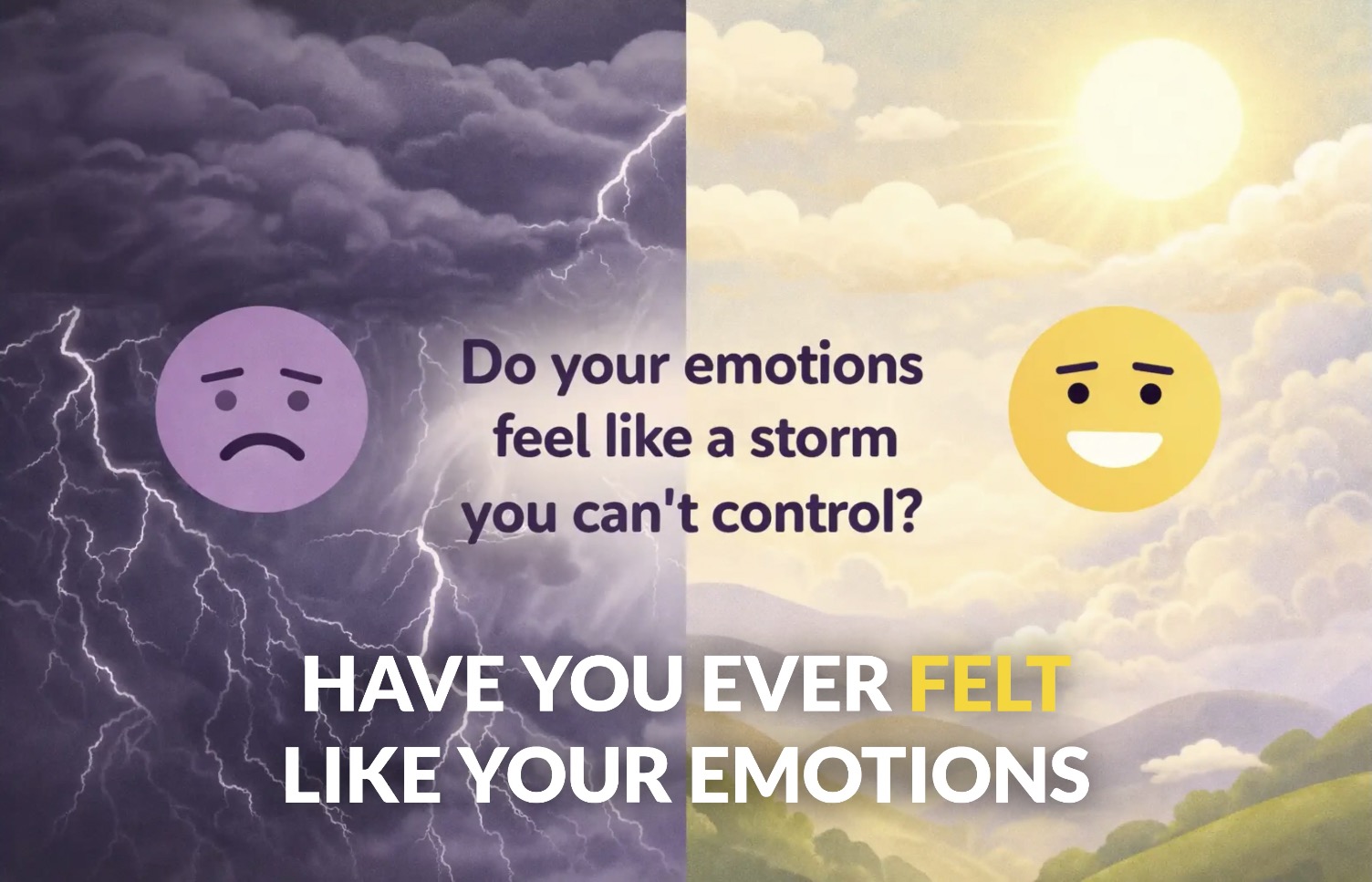
Like learning to read the signs of the sky before a change in weather, Bipoface helps you notice early signals, adjust your course, and protect what matters most: your health, your relationships, and your quality of life. Through structure, reflection, and gentle tools, you are supported in finding a rhythm that allows you to feel deeply without being overwhelmed.
Bipoface is built on the belief that your mood does not define who you are.
It is something you experience — not something you are. With patience, understanding, and the right support, stability becomes possible, confidence grows, and life begins to feel more navigable, more grounded, and more your own.
Copyright BIPOFACE 2026 . All rights reserved


