

🧠 Relationships & Mental Balance
Why relationships matter for your stability
Humans are naturally social. While moments alone are essential to recharge, true mental balance often comes from having the right people around you.
Relationships are complex, constantly evolving, and can deeply influence your emotional state. In Bipoface, we focus on one key aspect: supportive relationships — the ones that help you stay stable, grounded, and in control.
⚠️ A quick note on safety
Not all relationships are healthy.
Sometimes, it can be difficult to recognize when a relationship becomes toxic, harmful, or even abusive. This can happen in any type of relationship, regardless of background or situation.
👉 Your mental stability always comes first.
If a relationship increases stress, anxiety, or emotional instability, it deserves attention.
🔑 Key Insights
Support comes in many forms
It can be emotional (care, understanding), practical (help), or guidance (advice)
People with mood instability often experience reduced support
Strong support systems lead to better emotional stability and recovery
🤝 The power of social support
Social support plays a major role in both mental and physical health.
It helps you:
Feel less isolated
Regulate emotions more effectively
Share difficult moments instead of internalizing them
Build confidence and emotional security
Even small interactions — a conversation, a smile, a familiar face — can improve your sense of belonging and overall well-being.
🧠 When emotions affect relationships
Mood fluctuations can impact your social life:
During low phases → withdrawal, isolation
During high phases → impulsive behavior, tension with others
Over time, this can create distance, misunderstandings, or fragile relationships.
👉 That’s why building stable, healthy connections is essential.
⚖️ Not all relationships are beneficial
Supportive relationships help you grow.
But stressful or conflict-heavy relationships can increase emotional instability.
Negative patterns such as:
criticism
hostility
emotional pressure
over-involvement
…can worsen your mental balance.
👉 The goal is not more relationships — but better ones.
🚀 How to improve your social environment
1. Define your ideal social life
Do you prefer:
a few close, deep connections
or a wider, more social circle?
Both are valid. What matters is what feels right for you.
2. Evaluate your circle
Ask yourself:
Who truly supports me?
Who drains my energy?
Where can I build healthier connections?
Think broadly:
friends, family, colleagues, or even casual contacts.
3. Build balanced connections
You don’t always need deep conversations.
Simple activities can be powerful:
walking
going out
shared routines
Consistency matters more than intensity.
4. Protect your stability
Your environment matters.
Sometimes, improving your mental health means:
creating distance from negative influences
surrounding yourself with healthier lifestyles
choosing calm over chaos
5. Find the right balance
Too little social contact → isolation
Too much → overstimulation
👉 The key is balance.
Pay attention to how your mood reacts to your social life.
🧩 Tools that can help
Several approaches can strengthen relationships and emotional stability:
Structured routines (like Bipoface)
Communication skills
Cognitive Behavioral techniques (CBT)
Social skills development
Support groups or peer connections
🎯 Take Action
Review your current relationships
Strengthen the ones that support you
Reduce exposure to harmful dynamics
Build a social environment aligned with your stability
💡 Final thought
Your mental balance is not only internal —
it is also shaped by the people around you.
Choose wisely. Build consciously.
And create a life that supports your clarity, not your chaos.


Gallery


FAQS
What if I’m not officially diagnosed as bipolar — will this still help me?
Absolutely. The BIPOFACE method was designed for both people with a confirmed diagnosis and those who suspect mood instability or want to better understand their emotional patterns.
It’s also deeply supportive for caregivers who want to learn how to bring calm, understanding, and structure into their loved one’s life.
I’ve tried therapy and medication — how is this different?
Therapy and medication are crucial foundations.
BIPOFACE complements them by giving you daily practical tools — emotional resets, structure planning, and mindset tracking — that you can use every day at home to reinforce what you learn in therapy and stabilize between appointments.
I’m a caregiver — will this help me understand my loved one better?
Absolutely. That’s why I included the Caregiver’s Compass Bonus, a full guide to understanding mood cycles, communication do’s and don’ts, and how to support without burnout.
TESTIMONIAL & REVIEWS
OUR Customer FEEDBACK
★ ★ ★ ★★
“The 7-Day BIPOFACE Program helped us both. It gave my partner practical tools to calm emotional waves, and it helped me understand what really supports stability instead of adding pressure.”
— Olena
Bipoface is a quiet space created for balance, clarity, and stability.
A place where understanding grows gently, where awareness unfolds over time, and where progress is made one step at a time. Life with bipolar disorder moves in seasons — moments of light, moments of heaviness — and Bipoface exists to help you navigate each phase with steadiness and self-respect.
Here, nothing is rushed. Growth is not forced. Healing is not demanded.
Instead, Bipoface offers guidance that meets you where you are, helping you recognize your patterns, understand your mood shifts, and build stability through small, meaningful actions. This is not about control — it is about awareness, choice, and compassion toward yourself.
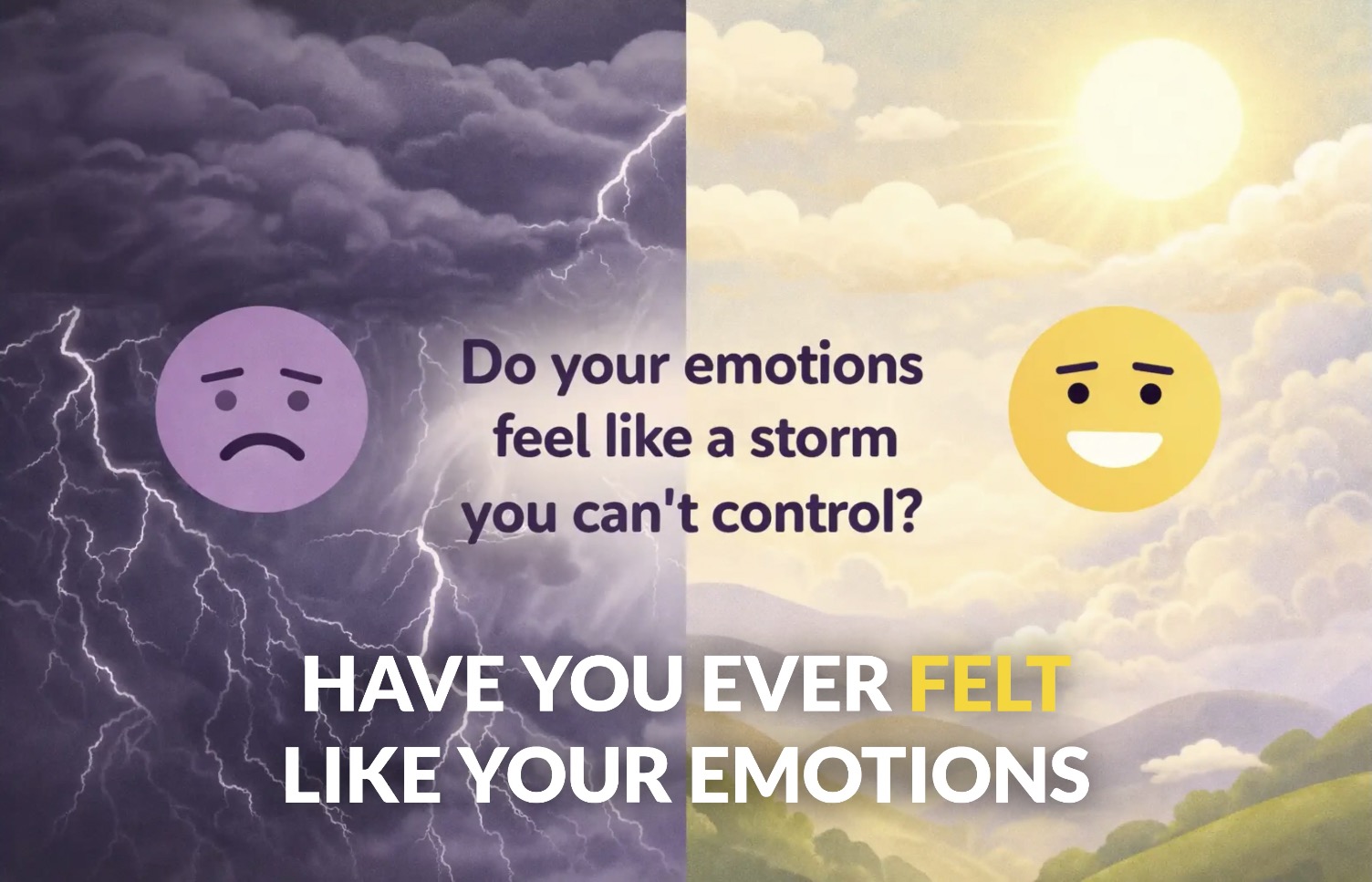
Like learning to read the signs of the sky before a change in weather, Bipoface helps you notice early signals, adjust your course, and protect what matters most: your health, your relationships, and your quality of life. Through structure, reflection, and gentle tools, you are supported in finding a rhythm that allows you to feel deeply without being overwhelmed.
Bipoface is built on the belief that your mood does not define who you are.
It is something you experience — not something you are. With patience, understanding, and the right support, stability becomes possible, confidence grows, and life begins to feel more navigable, more grounded, and more your own.
Copyright BIPOFACE 2026 . All rights reserved


