

Sleep
Why sleep is important to your quality of life
Sleep is a time when the body rests and mends itself and the brain processes memories of the day so they can be remembered later6. However, while sleep is very important for mental and physical health, this doesn’t mean that you should worry too much about a single bad night’s sleep. Like exercise, long-term sleep habits matter more than individual events. Developing and keeping good sleep habits can have long-term benefits. Below, you will be introduced to some important strategies for improving sleep habits. But first, it’s useful to understand a bit about how sleep works.
There is no single correct amount of sleep for everyone. The average adult needs and wants about 8 hours of sleep a night; however, there is a range in the amount of sleep a particular person needs. The time at which we prefer to go to bed also differs across people—morning types (called “larks”) sleep and wake earlier, while evening types (or “owls”) sleep and wake later. People usually become more “owlish” in adolescence (causing problems with getting up for school) and more “larkish” in middle age. People with bipolar disorder tend to be owls.
Key Messages About Sleep
What to know about sleep:
Sleep problems negatively impact mood and motivation
Concentration, attention, memory and planning impaired by poor sleep
Changes in sleep can precede relapse in bipolar disorder
What determines how well we sleep?
There are three main factors that determine when, and how well, we sleep. Ask most people, and they’ll guess that we sleep because we’re tired. As hunger increases the longer a person hasn’t eaten, the drive for sleep increases with hours awake. This is one of the three factors that influence when we sleep, and it is important to remember that all three can be targeted to improve sleep.
The second factor is the brain’s internal clock – if you’ve ever worked shift work or had jet lag, you know that it’s hard to go to bed when the body doesn’t think it’s time to sleep. No matter how tired, a person just doesn’t sleep well if their internal clock thinks it’s time to be awake.
One way to improve sleep is by training your internal clock to provide a strong signal to sleep and wake up around the same times each day (called regularizing or synchronizing your internal clock). Strengthening your internal clock is important for people with bipolar disorder, because having an unstable internal clock is linked to symptoms of both mania and depression. You can strengthen your internal clock by training it into a regular daily routine (a bit like training a pet to expect food at a certain place and time).
The third factor influencing sleep is arousal at bedtime. This means that if you are calm, quiet and relaxed at bedtime, you will sleep better than if you go to bed feeling very excited or stressed. The feeling of being tired but unable to sleep is distressing. Trying your best to relax at bedtime and teach your body to associate your bedroom with sleep can be very helpful.
The link between sleep and bipolar disorder
Sleep problems are a core symptom of bipolar disorder. During depressive episodes, many people experience problems with insomnia (falling and staying asleep at night) and hypersomnia (waking up or getting out of bed in the morning). In manic and hypomanic episodes, people can feel a decreased need for sleep and sleep can be short and interrupted. Insomnia also commonly occurs in manic and hypomanic episodes. Even when people with bipolar disorder are not experiencing a mood episode, they commonly report problems with their sleep. One study found that up to 70% of people with bipolar disorder report sleep problems between mood episodes, and up to 55% of people have sleep problems as wide-ranging and severe as the problems reported by people being treated for sleep disorders7. So, it may help you to remember that problems with sleep originate with the illness, and aren’t a personal trait or flaw.
Importantly, changes in sleep are not only symptoms of bipolar disorder – there is a lot of research evidence to suggest changes in sleep may contribute to bipolar disorder relapses5. People with bipolar disorder typically experience early warning signs of their manic and depressive episodes, and people have better outcomes if they can identify these early warning signs and make the changes needed to manage them. Changes in sleep are the most commonly reported early warning sign for developing episodes of mania, and the sixth most commonly reported early warning sign for depression8. Monitoring for sleep changes can help people make the changes needed to prevent relapse. Being mindful of sleep is a very important part of staying well with bipolar disorder.
Take Action
Strategies for getting a good sleep:
Support your biological clock: wake and go to bed at regular times, create routine, keep active in the daytime
Strengthen sleep drive: avoid napping, caffeine, nicotine, stimulants
Decrease arousal at bedtime: manage anxiety, develop a pre-sleep routine, associate bed with sleep
How you can take action
People who live well with bipolar disorder report using self-management strategies to improve their sleep that are consistent with the behavioural strategies recommended by Cognitive Behavioural Therapy for Insomnia (CBT-I). CBT-I is a therapy that aims to help people develop good sleep habits that can help to facilitate good sleep and to minimize insomnia and hypersomnia. It is the first-line treatment for insomnia, and is even preferred over medication in many cases9,10. Importantly, some small clinical trials have shown that CBT-I can be used safely and effectively to reduce insomnia for people with bipolar disorder11,12. Interestingly, this early research seems to show that strengthening your internal clock by regularizing your wake time across 7 days of the week may be the most powerful strategy for improving sleep. However, one study did show that a strategy called sleep opportunity restriction resulted in mild mood elevation for some people. If you are interested, your healthcare provider will be able to assist you further in finding out if it’s right for you and work with you to implement it safely.
Based on expert recommendations and the findings of these clinical trials, CBT-I is now provisionally recommended for the management of sleep problems in bipolar disorder13. The behavioural strategies suggested by CBT-I target the three controllable factors mentioned earlier that determine when and how well we sleep: being tired, the internal clock, and arousal levels at bedtime. For detailed advice about how to apply the skills described in the next section you should read The Bipolar Workbook: Tools for Controlling Your Mood Swings written by M. R. Basco and published in 2006.
+
Strategies to increase your sleep drive
+
Strategies to train your internal clock
+
Strategies to decrease your wakefulness at bedtime
+
Talk to your healthcare provider


Gallery


FAQS
What if I’m not officially diagnosed as bipolar — will this still help me?
Absolutely. The BIPOFACE method was designed for both people with a confirmed diagnosis and those who suspect mood instability or want to better understand their emotional patterns.
It’s also deeply supportive for caregivers who want to learn how to bring calm, understanding, and structure into their loved one’s life.
I’ve tried therapy and medication — how is this different?
Therapy and medication are crucial foundations.
BIPOFACE complements them by giving you daily practical tools — emotional resets, structure planning, and mindset tracking — that you can use every day at home to reinforce what you learn in therapy and stabilize between appointments.
I’m a caregiver — will this help me understand my loved one better?
Absolutely. That’s why I included the Caregiver’s Compass Bonus, a full guide to understanding mood cycles, communication do’s and don’ts, and how to support without burnout.
TESTIMONIAL & REVIEWS
OUR Customer FEEDBACK
★ ★ ★ ★★
“The 7-Day BIPOFACE Program helped us both. It gave my partner practical tools to calm emotional waves, and it helped me understand what really supports stability instead of adding pressure.”
— Olena
Bipoface is a quiet space created for balance, clarity, and stability.
A place where understanding grows gently, where awareness unfolds over time, and where progress is made one step at a time. Life with bipolar disorder moves in seasons — moments of light, moments of heaviness — and Bipoface exists to help you navigate each phase with steadiness and self-respect.
Here, nothing is rushed. Growth is not forced. Healing is not demanded.
Instead, Bipoface offers guidance that meets you where you are, helping you recognize your patterns, understand your mood shifts, and build stability through small, meaningful actions. This is not about control — it is about awareness, choice, and compassion toward yourself.
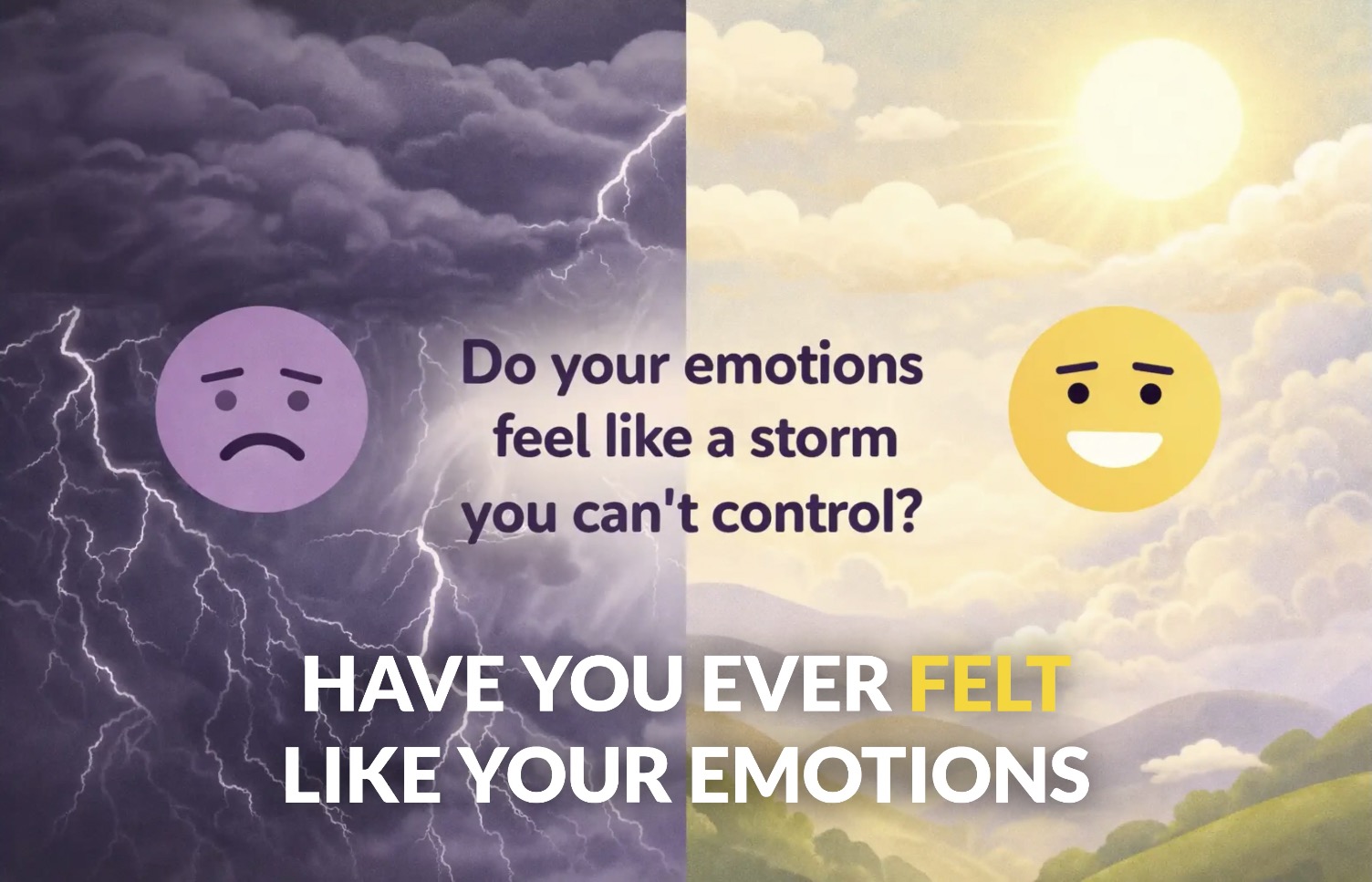
Like learning to read the signs of the sky before a change in weather, Bipoface helps you notice early signals, adjust your course, and protect what matters most: your health, your relationships, and your quality of life. Through structure, reflection, and gentle tools, you are supported in finding a rhythm that allows you to feel deeply without being overwhelmed.
Bipoface is built on the belief that your mood does not define who you are.
It is something you experience — not something you are. With patience, understanding, and the right support, stability becomes possible, confidence grows, and life begins to feel more navigable, more grounded, and more your own.
Copyright BIPOFACE 2026 . All rights reserved


